
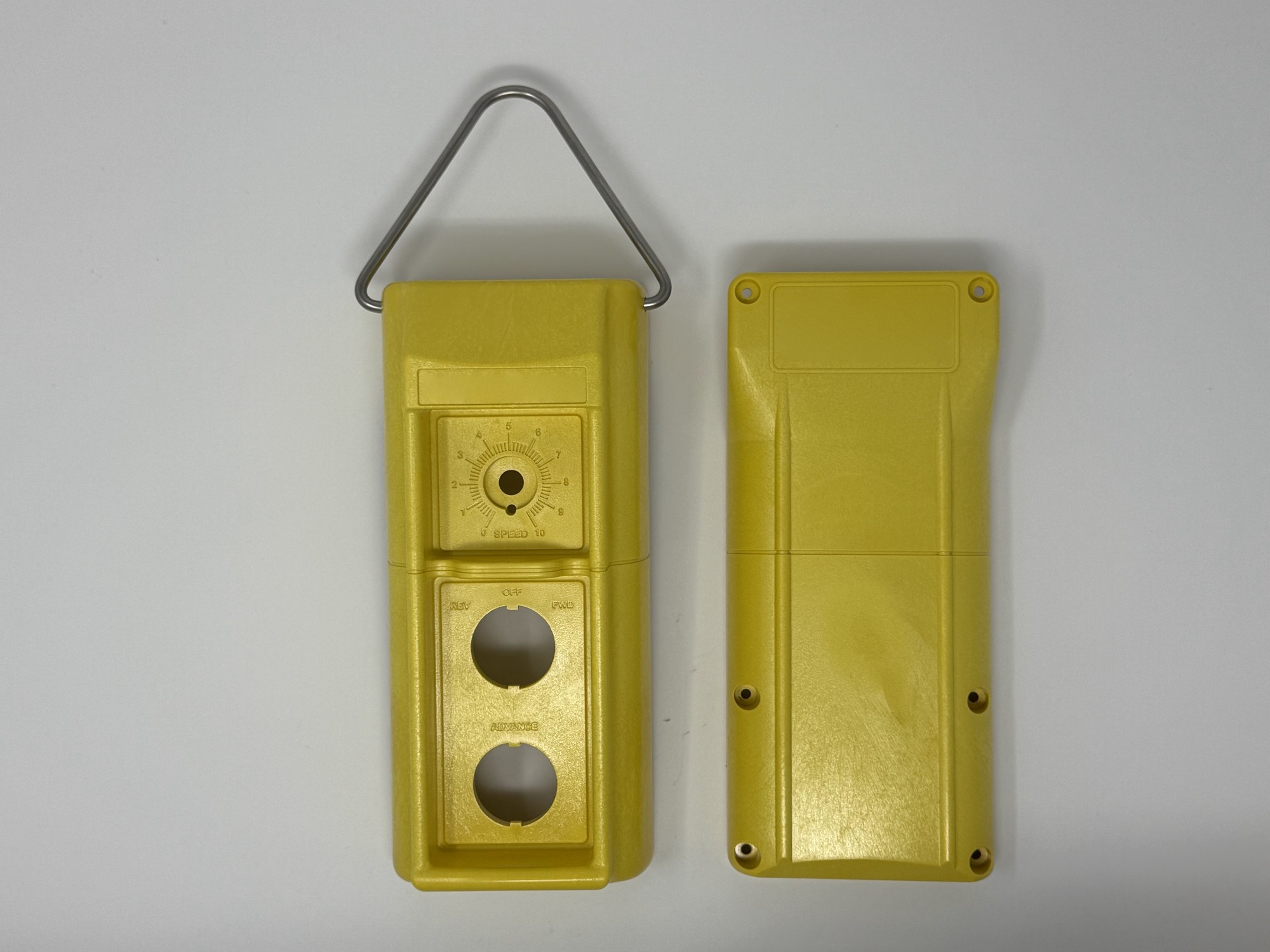
Rebuilding a Discontinued Part, Better Than the Original
When a legacy supplier stopped making a pendant control enclosure, FormRep rebuilt it from a physical sample and had production parts running in about six months. The new part costs less, ships faster, takes fewer assembly steps, and carries its branding and switch labels molded in instead of on stickers.
- Customer: Industrial equipment manufacturer
- Part: Two-piece handheld pendant control enclosure with hanging bail
- Starting point: Physical samples only; no drawings or CAD
- Material: Glass-filled nylon
- Volume: Several thousand per year
- Timeline: About six months, first contact to production parts
The challenge
The customer’s long-time supplier announced it would stop making the enclosure, and its tooling was going away with it. The customer still built and serviced equipment that depended on the part, so losing it meant redesigning their own product or scrambling for a replacement.
The old part had a second, everyday problem. Its logo, part number and switch positions were printed on stickers, and the stickers peeled off or wore until they were hard to read.
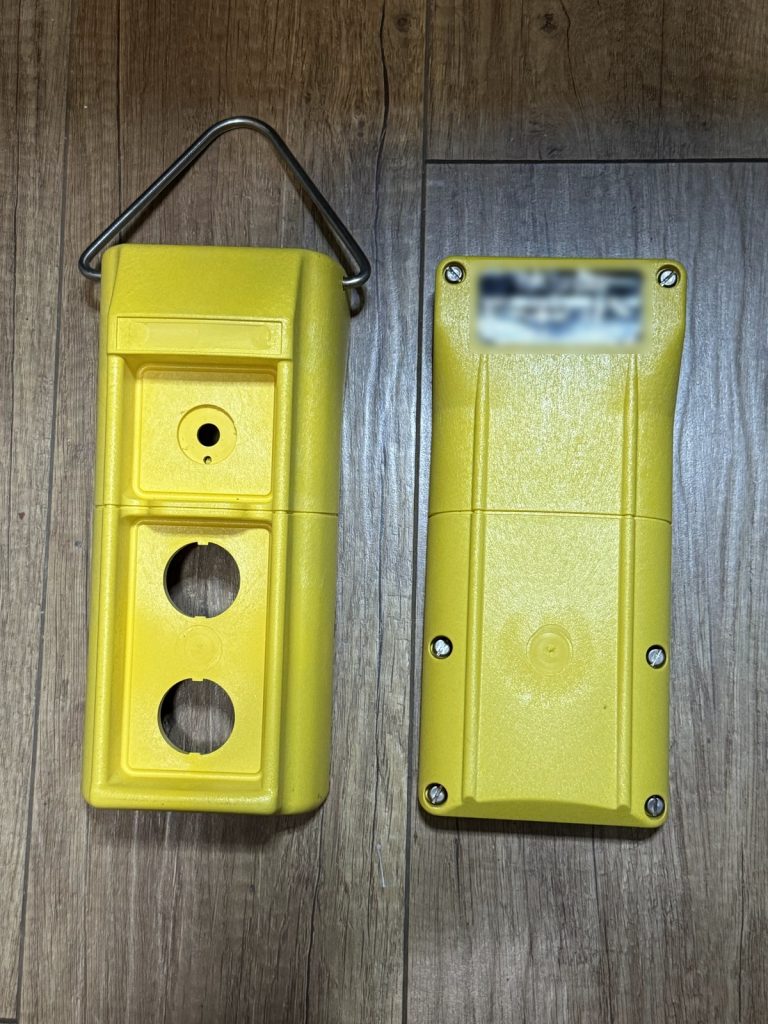
Starting from a physical sample
The customer arrived with sample parts and nothing else: no drawings, no CAD, no tooling data. FormRep measured the samples and modeled both halves of the enclosure in 3D, matching the mounting holes, gasket channel, switch openings and hanging bail so the new part would drop into the customer’s existing assemblies.
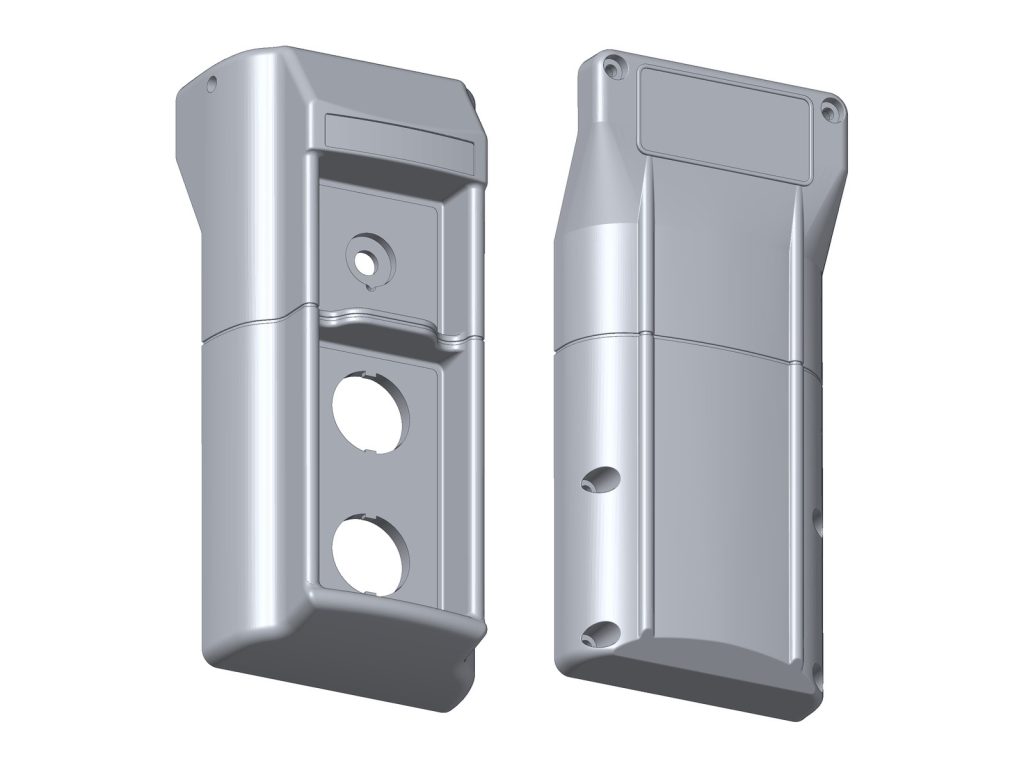
Modeling the part from scratch also opened the door to improvements the old tooling could never deliver. The biggest one: the logo, part number and switch labels became part of the mold itself.
Proving it first with 3D-printed prototypes
Before cutting steel, FormRep printed the enclosure so the customer could hold it, assemble it and test it in their own equipment. The prototypes confirmed:
- Form, fit and function in the customer’s existing assemblies
- The gasket seal between the two halves
- Switch layout and clearances, where the customer chose to make small changes
Those layout changes cost a reprint, not a mold rework. By the time the tool was ordered, the design had already been approved in the customer’s hands.
Tooling and first samples
With the design locked, FormRep built production tooling for both halves in glass-filled nylon, a tough, stiff material suited to a part that hangs from a cable and gets dropped on shop floors. A design-for-manufacturing review before steel was cut made sure both halves would mold cleanly and consistently.
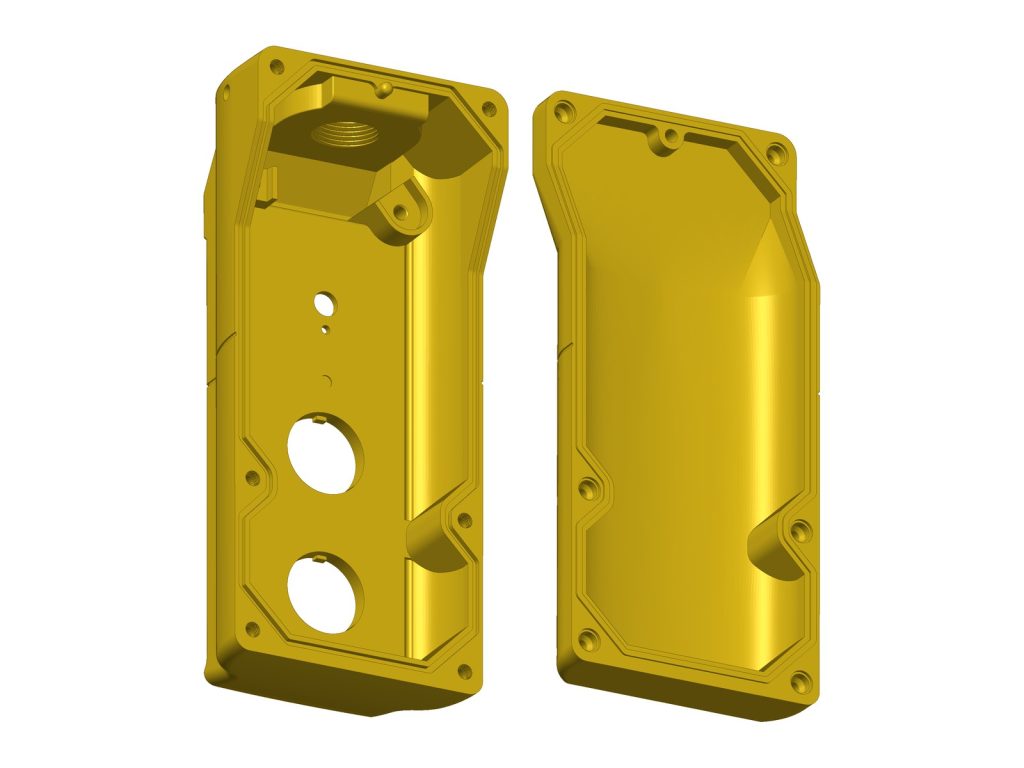
First-shot samples were assembled and checked against the approved prototypes before the part moved into production.
Production: molded in, not stuck on
Every enclosure now comes out of the mold with its markings already on it:
- Customer logo on the front panel
- Part number on the back panel
- Switch position labels around the controls, matched to the customer’s application
There is nothing to apply, nothing to peel and nothing to fade. The markings last as long as the plastic does, and one assembly step disappears from every unit.
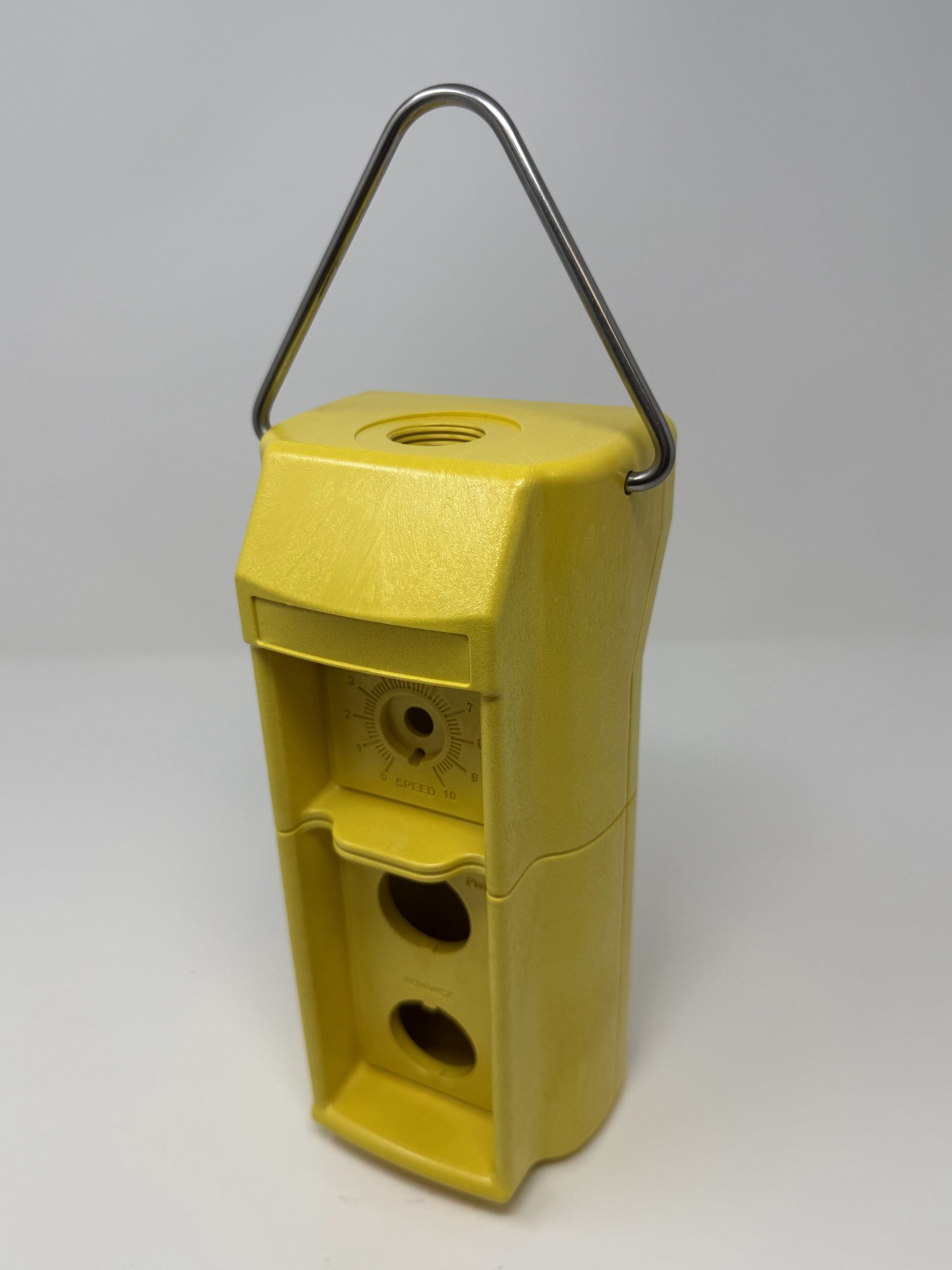
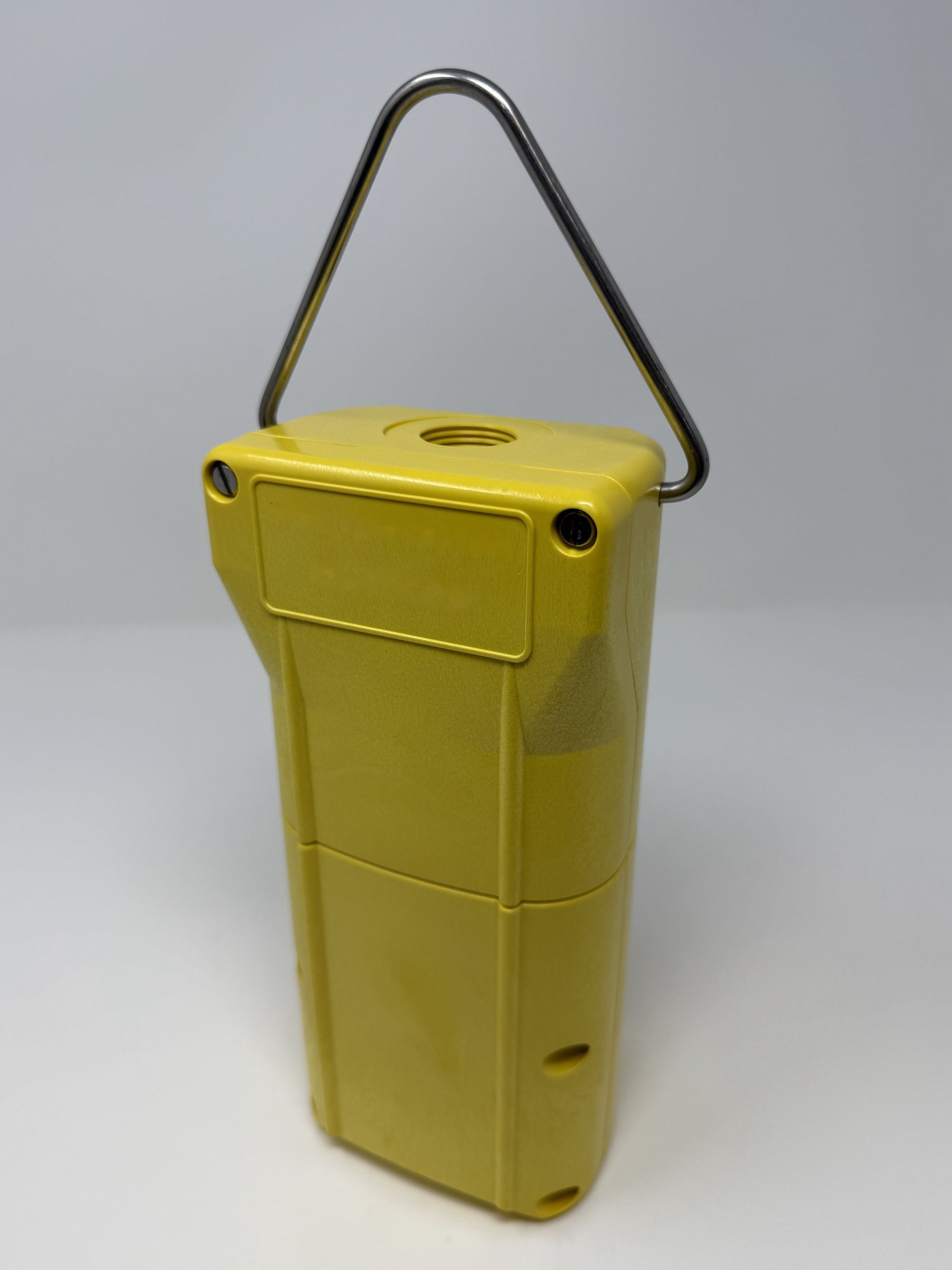
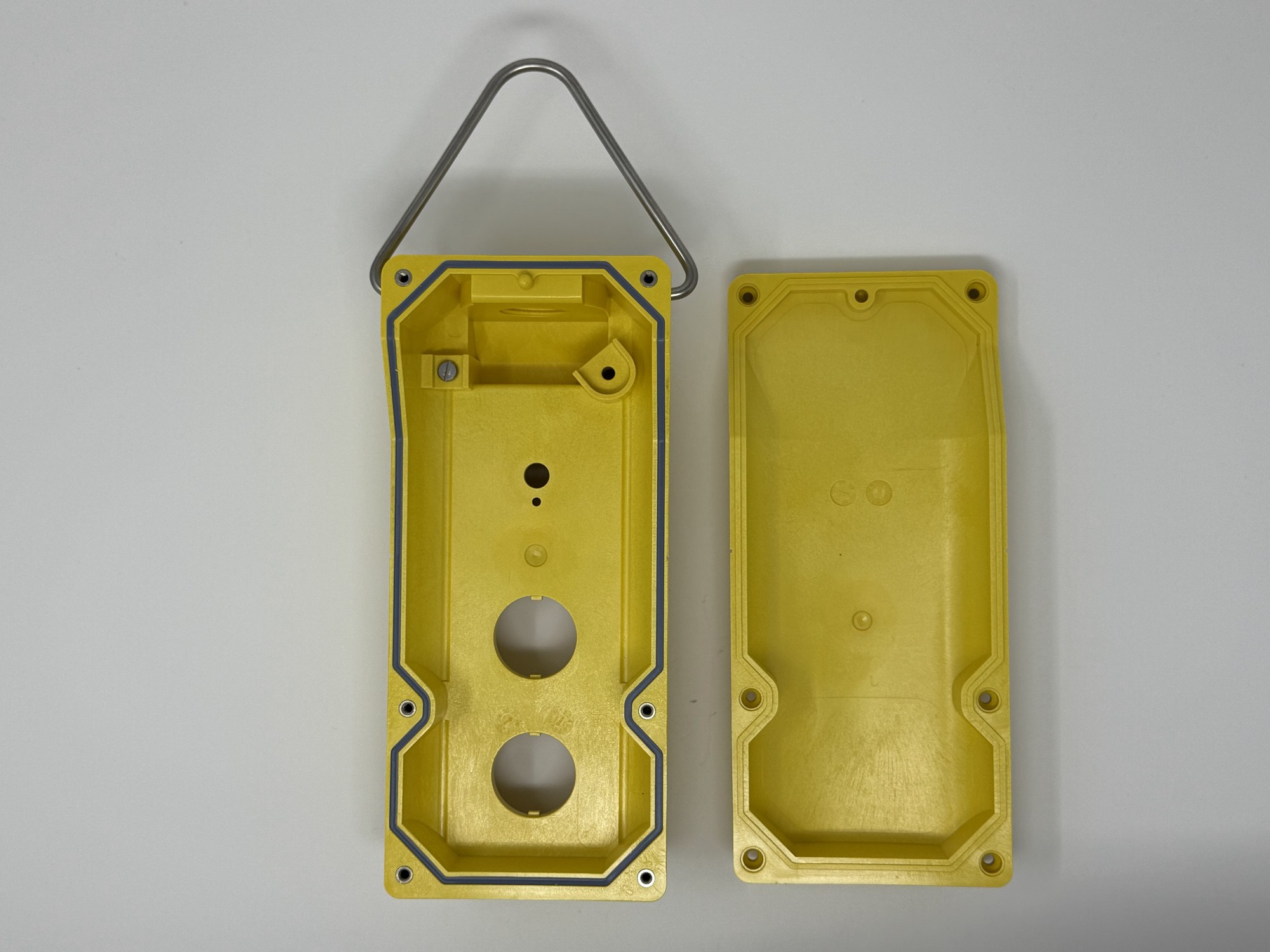
In these photos, the customer’s logo and part number have been removed for confidentiality.
Results
The customer kept a part they could not do without, and got a better one in the process.
| Before | After |
|---|---|
| Supplier discontinuing the part and its tooling | Customer-owned tooling and a reliable source |
| Printed stickers that peeled and became unreadable | Logo, part number and switch labels molded in |
| Sticker application as a separate assembly step | One fewer assembly step per unit |
| Legacy pricing and lead times | Lower part cost and faster lead time |
Facing a discontinued part, or labels that won’t stay on? Request a quote and send us a sample. A physical part is all we need to start.